Template Stacks
STEP 1
Stack for testing on skycell with good target already selected
Before produce all the difference stack-stack it would be probably useful to test the ppsub on a small number of stacks.
On MD03 skycell 043 the Harvard/JHU PS1 Group found some SN candidates. Using good images for this skycell, we could test
ppsub and the photometry of psphot.
MD03
g skycell.043 stack.
r skycell.043 stack.39693
i skycell.043 stack.36944
z skycell.043 stack.43085
STEP 2
I'm selecting good stacks looking the following 4 parameters in the unconvolved stacks:
average fhwm Minimum; average fhwm Major; average moment along xx; average momentum along yy.
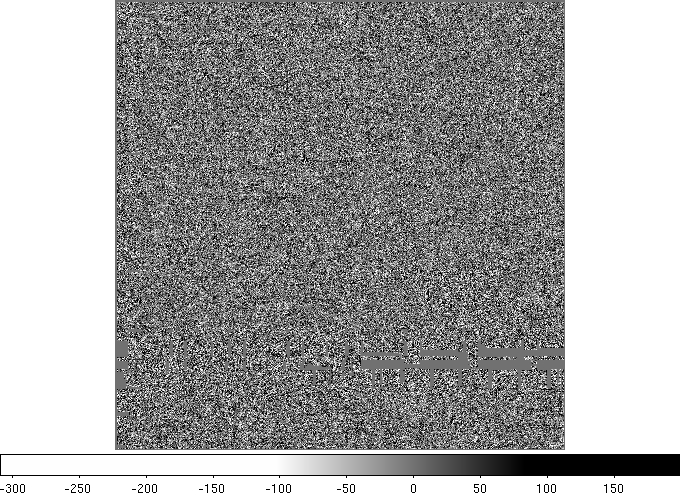
Once a good night is selected in each filter, I checked 3-4 skycells by eyes and run ppSub using these images as template.
(any suggestion how to improve the selection of the templates is welcomed).
Here are all the steps I'm doing:
- Download all new stacks in the archive
- Run psphot on unconvolved images
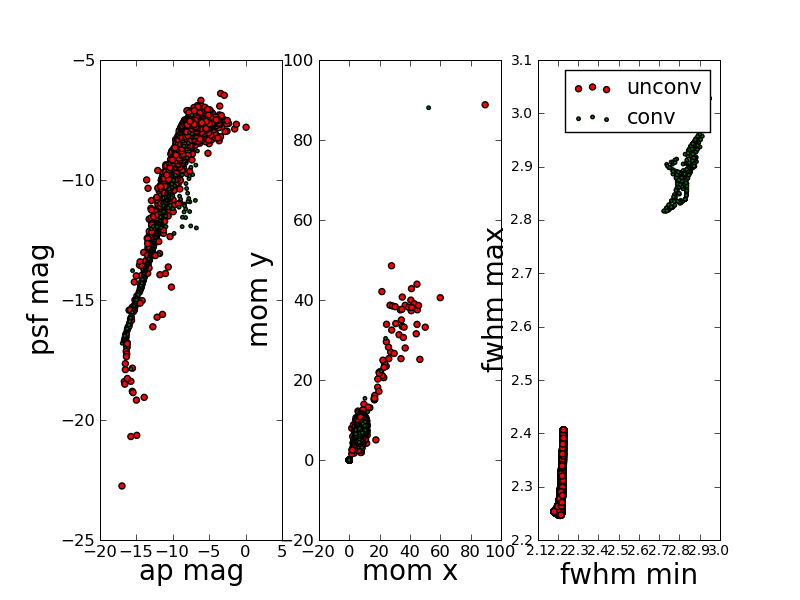
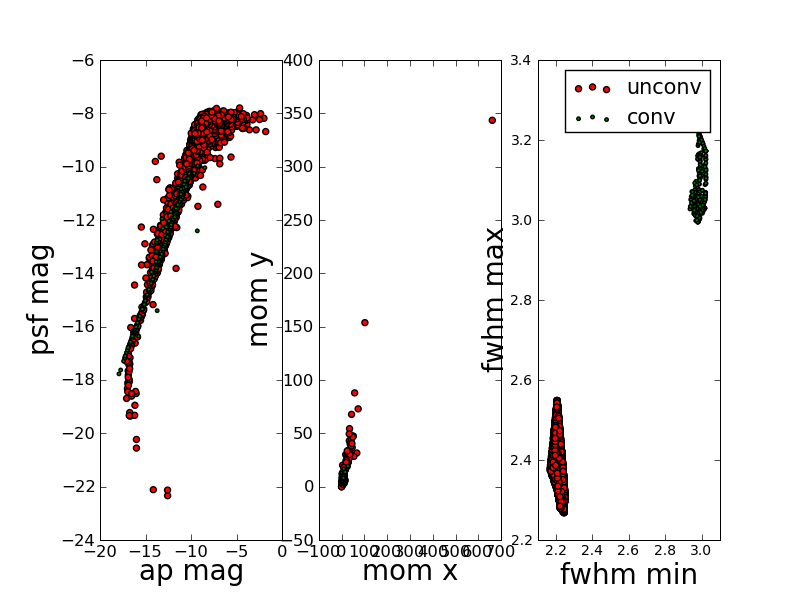
- Compare the following parameters from cmf files:
PSF magnitudes vs aperture magnitude
moment along x vs moment along y
minimum fwhm vs major fwhm


COMMENTS:
the unconvolved images have more detections (but probably several of them are not real)
the FWHM of the objects is degraded in the convolved image (probably too much in some skycells)
To investigate the quality of stacks and select good templates, I used the fwhm and moments values of the unconvnolved images.
The choice of the unconvolved images to investigate the fwhm and moment variation is because in the convolved images the fwhm and moments are all degraded at similar values.
The average values for each skycell is computed rejecting at 3 sigma (5 iterations)
- I'm comparing the values of these parameters in each filters and each field
- taking a look by eyes some of the skycells of the best epochs, I choose the best templates
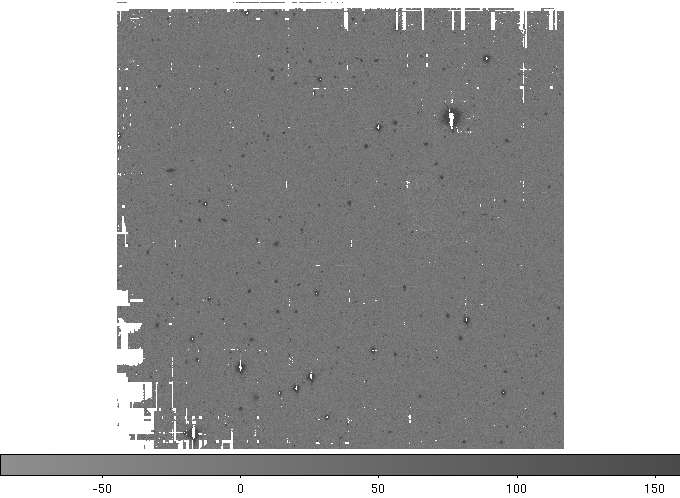
some epochs with small fwhm and moments (in principle good templates) seem to be masked too much

Good nights from which we can probably take the template stacks are reported below:
MD02
FILTER JD stacks.image.ID
g 55191 40790-40893
r 55188 44942-45045
i 55180 39135-39238
z 55096 31535-31604

MD03
FILTER JD stacks images
g
r 55207 41983-42082 (or 55183 39667-39770)
i 55207 36926-37010 (or 55190 40274-40378)
z

MD04
FILTER JD stacks images
g 55207 42092-42191 (or 55180 38608-38707)
r 55207 42198-42300 (or 55180 38713-38813)
i 55205 35630-35718 (or 55208 37012-37098)
z 55209 42524-42624 (or 55182 43166-43266)

MD05
FILTER JD stacks images
g 55204 36400-36486 (or 55183 39774-39875)
r 55204 36488-36573 (or 55183 39882-39985)
i 55208 37100-37187 (or 55205 35721-35805)
z 55182 43373-43272 (or 55209 42631-42734)

MD06
FILTER JD stacks images
g 55210 43555-43654 (or 55216 52546-52651)
r 55216 52656-52756 (or 55213 46407-46511)
i 55214 51511-51616 (or 55211 50545-50645)
z 55209 42740-42844 (or 55215 51190-51290)

- Finally, I'm testing ppSub with the templates selected

STEP 3
The choice of one night as template in each filter is in principle good, but for some skycells is not working:
For example: the a good r filter observation of MD03 is the one of JD=55207. It gives very good subtraction for some skycell
(eg skycell 066) but there are during the same night other skycell not useful (eg skycell 102). In that case I would suggest to use different night as template for different skycell. In Figure skycell 066 and 102 for 2 good nights.

Probably it will be necessary to select for different skycell, different nights (as template)
MD03
Filter r
skycell.043 stack.39693 JD.55183
skycell.066 stack.42029 JD.55207
skycell.090 stack.42052 JD.55207
skycell.102 stack.39714 JD.55183
.........
Attachments (10)
-
test_MD03.jpg
(521.5 KB
) - added by 17 years ago.
MD03 skycell 066 and 102 in 2 different nights For skycell 066 the first night is a very good template, while for skycell 102 the stack in not good.
- MD04.skycell.044.stk.41186.cmf_1.png (76.8 KB ) - added by 17 years ago.
- MD04.skycell.099.stk.38684.cmf_1.png (74.0 KB ) - added by 17 years ago.
-
MD02.skycell.102.stk.40977.unconv.dif.jpg
(321.5 KB
) - added by 17 years ago.
I tested ppSub with the templates selected
-
MD02.skycell.066.stk.36184.unconv.jpg
(170.2 KB
) - added by 17 years ago.
some epochs with small fwhm and moments (in principle good templates) seem to be masked too much
-
MD04.png
(138.3 KB
) - added by 17 years ago.
minimum fwhm, major fwhm , moment along x and moment along y are plotted for the stacks downaloded and processed so far. The parameters are computed for each skycell. (Smaller is the spread for each epoch more similar are the parameters along the field). Different bands are plotted in different colour.
-
MD05.png
(129.1 KB
) - added by 17 years ago.
minimum fwhm, major fwhm , moment along x and moment along y are plotted for the stacks downaloded and processed so far. The parameters are computed for each skycell. (Smaller is the spread for each epoch more similar are the parameters along the field). Different bands are plotted in different colour.
-
MD06.png
(114.4 KB
) - added by 17 years ago.
minimum fwhm, major fwhm , moment along x and moment along y are plotted for the stacks downaloded and processed so far. The parameters are computed for each skycell. (Smaller is the spread for each epoch more similar are the parameters along the field). Different bands are plotted in different colour.
-
MD03.png
(142.7 KB
) - added by 17 years ago.
minimum fwhm, major fwhm , moment along x and moment along y are plotted for the stacks downaloded and processed so far. The parameters are computed for each skycell. (Smaller is the spread for each epoch more similar are the parameters along the field). Different bands are plotted in different colour.
-
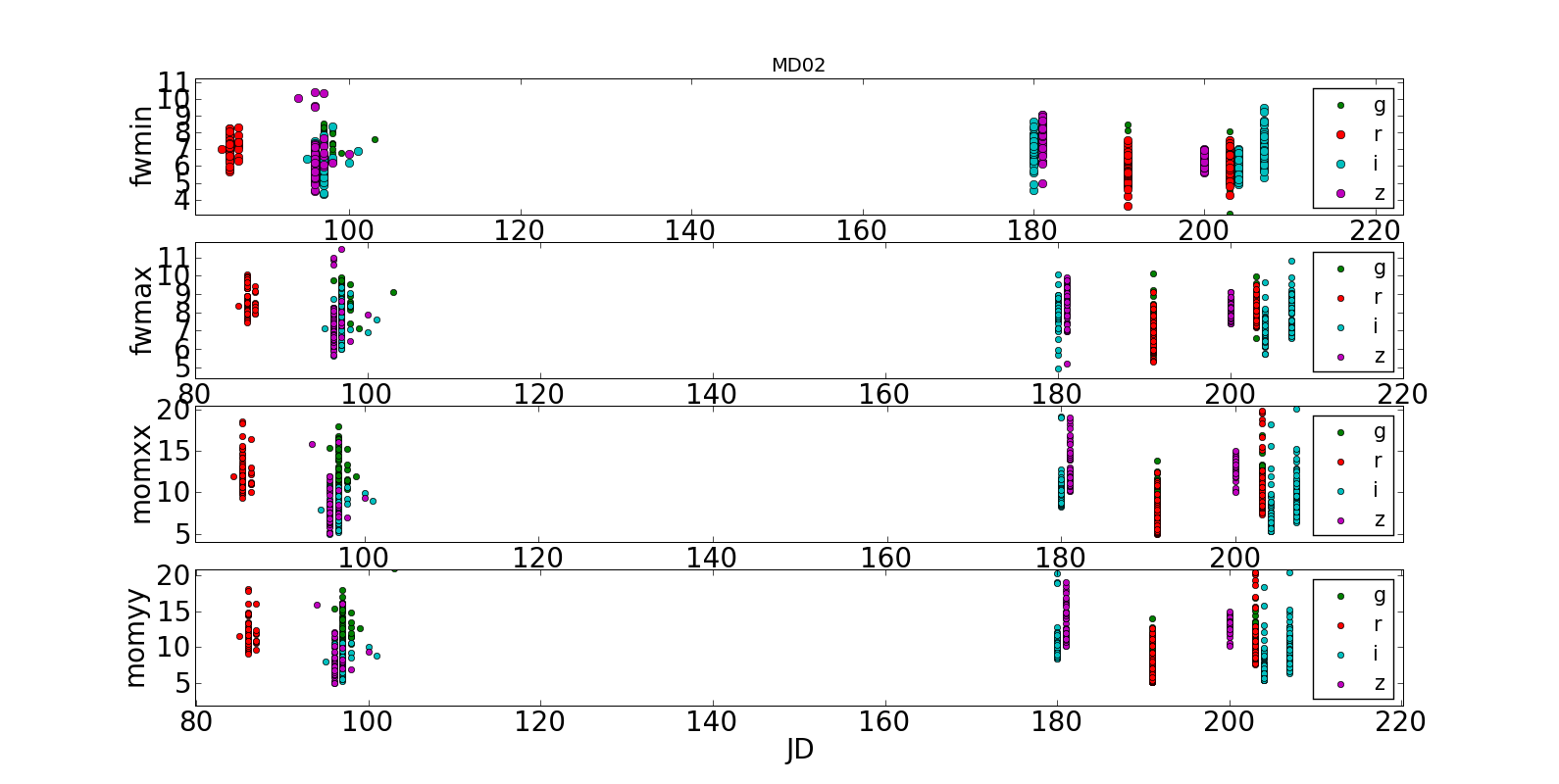
MD02.png
(117.2 KB
) - added by 17 years ago.
minimum fwhm, major fwhm , moment along x and moment along y are plotted for the stacks downaloded and processed so far. The parameters are computed for each skycell. (Smaller is the spread for each epoch more similar are the parameters along the field). Different bands are plotted in different colour.
Download all attachments as: .zip